Authenticity is the new luxury.
We are constantly bombarded with images of curated perfection, making the concept of “realness” a precious commodity. The wellness industry, especially, has cashed in on this cultural shift, selling not just products, but an idea: that living authentically is the path to happiness, health, and success. But here’s the catch — what these influencers and biohackers are marketing as authenticity is, in fact, a highly calculated, profitable brand.
The Marketable Version of Realness
Wellness influencers have turned authenticity into a lifestyle that people aspire to emulate. They show their followers the “real” behind-the-scenes moments — their unfiltered routines, their mental health struggles, their raw, imperfect selves. At least, that’s what they want you to think.
The truth? These vulnerable moments are often carefully staged, edited, and polished for maximum engagement. What’s being sold as “realness” is, in reality, a performance. The idea of vulnerability has become just another tool in their marketing toolkit.
Curated Vulnerability: A Powerful Sales Pitch
There’s a growing trend among influencers to share deeply personal stories — mental health battles, breakups, family drama — all to foster a connection with their audience. The goal? To appear “real,” to show that they’re just like everyone else. It’s a powerful way to build trust and loyalty with followers who think they’re getting a window into someone’s true life.
But here’s the twist: these influencers are actively controlling how much they share, and when. They choose the most emotionally charged moments to capture and post, all while ensuring that their content is perfectly framed for maximum emotional impact. The more vulnerable they seem, the more views they get, and the more products they can sell. The authenticity they promote isn’t accidental — it’s strategically designed to increase their brand value.
The Realness Economy
This new economy revolves around the idea that being “authentic” equals credibility. Influencers don’t just sell you products; they sell a version of themselves, carefully crafted and highly curated. They share their morning rituals, their self-care routines, their “perfectly imperfect” lives, all while encouraging you to buy into the idea that their products are the key to living that “authentic” life.
Take a look at any wellness influencer’s feed, and you’ll likely see supplements, skincare lines, or wellness retreats they’re endorsing. They present these products as the secret to achieving the same authenticity and balance that they’ve found. The irony? The more “authentic” they seem, the more they profit off it.
Filming Your “Real” Life
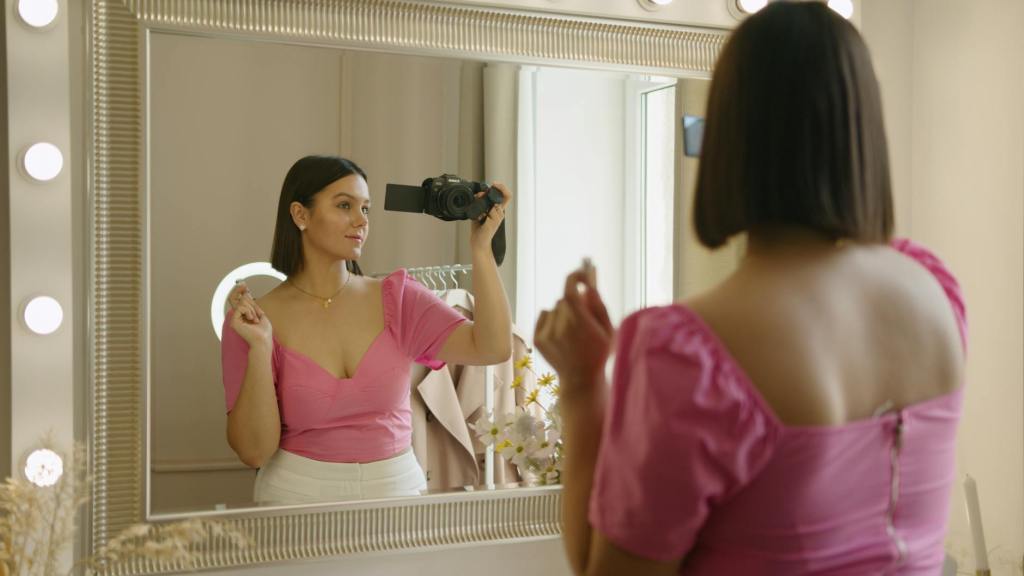
The most glaring contradiction? The fact that wellness influencers are filming their “real” lives. Authenticity requires presence, right? But if you’re busy setting up shots, checking angles, and editing footage to capture the perfect “real” moment, how much of that is actually genuine?
The act of recording your every move for social media, especially while promoting wellness or mental health, takes you out of the present moment. Instead of living authentically, these influencers are performing it for their followers. Realness, in this context, becomes just another branded persona — a persona that can be monetized.
Selling Self-Care and Authenticity
The ultimate irony is that the more these influencers promote authenticity, the more they turn it into something unattainable for the average person. The wellness industry has found a way to market not just products, but the idea of living an authentic life. They’ve created a market where authenticity itself is a luxury item — a luxury you can buy by purchasing their products, following their routines, or signing up for their exclusive content.
These influencers and biohackers have successfully packaged realness as a brand — complete with a price tag. The “authentic” version of themselves is something that comes with a fee, whether it’s a subscription to exclusive content, a purchase of their wellness product, or a private retreat. The more they sell the idea of authenticity, the more they profit from it.
True Authenticity Isn’t for Sale
The reality is that authenticity can’t be bought. It’s messy, raw, and imperfect. It’s about showing up as you are, not as a version of yourself curated for likes and shares. Realness isn’t about following someone else’s routine, buying the same supplements they promote, or subscribing to their paid content. True authenticity is about living in the present moment, without the need for validation or a camera on you.
So, when these influencers promise to give you the key to an authentic life, ask yourself: How much of their “authenticity” is really just another product to sell? And more importantly, can we truly live authentically when our lives are constantly being shaped by what we think others expect to see?



 A Wild & Wise Life
Leave a comment